


Picture this: It’s 1850, and you just moved to California. You want to send a note to your family across the country. But there are no cars, trains, or planes to bring your mail. Phones and computers haven’t been invented yet.
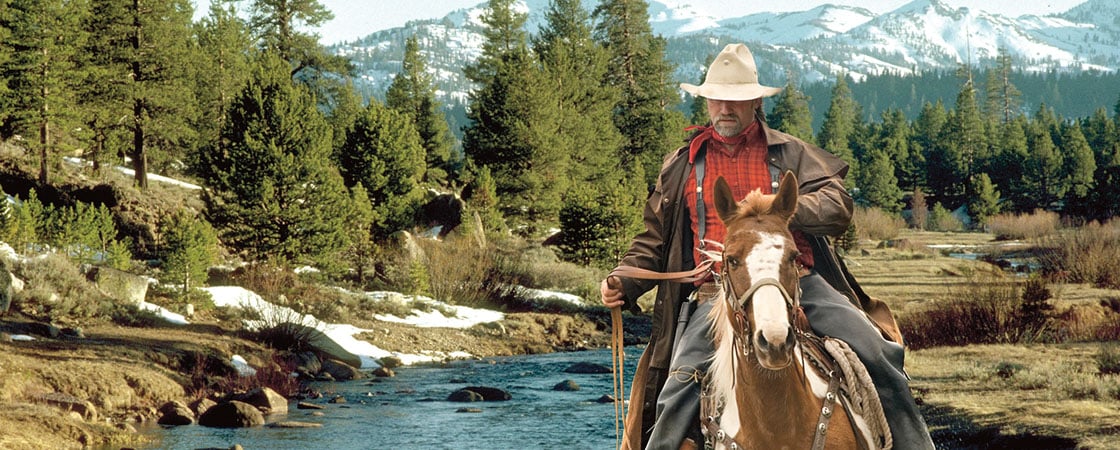
The best way to send a letter is with the Post Office. Mail is carried on horseback or in wagons. But the journey is long and difficult for one person to complete. It can take one or two months for your note to arrive! Workers travel along treacherous paths. They are often injured along the way.
The Post Office also delivers mail on boats. But multiple ships have to travel around the entire country. And the mail takes even longer to arrive—often two or even three months!
You need a faster way to communicate over long distances. What could it be?
Imagine it’s 1850. You just moved to California. You want to send a note to your family across the country. But there are no cars, trains, or planes to bring your mail. Phones and computers haven’t been invented yet.
The best way to send a letter is with the Post Office. Mail is carried on horseback or in wagons. But the journey is long. It’s hard for one person to complete. It can take one or two months for your note to arrive! Workers travel along treacherous paths. They are often injured along the way.
The Post Office also delivers mail on boats. But multiple ships have to travel around the entire country. And the mail takes even longer to arrive. It could take two or even three months!
You need a faster way to communicate over long distances. What could it be?